
Learn Forex Trading for Beginners: A Clear Guide to Starting and Succeeding
Forex trading, or foreign exchange trading, involves the buying and selling of currencies in a global marketplace. This dynamic market operates 24 hours a day, allowing traders to capitalize on currency fluctuations. For beginners, understanding the fundamentals of “forex trading” is crucial to navigating this complex landscape. This guide will provide you with essential knowledge about forex trading basics, practical steps to start trading, effective strategies, and the importance of market analysis. By addressing common challenges faced by new traders, this article aims to equip you with the tools needed for success in forex trading. We will explore key concepts such as currency pairs, trading platforms, and strategies that can enhance your trading experience.
What Are the Forex Trading Basics Every Beginner Should Know?
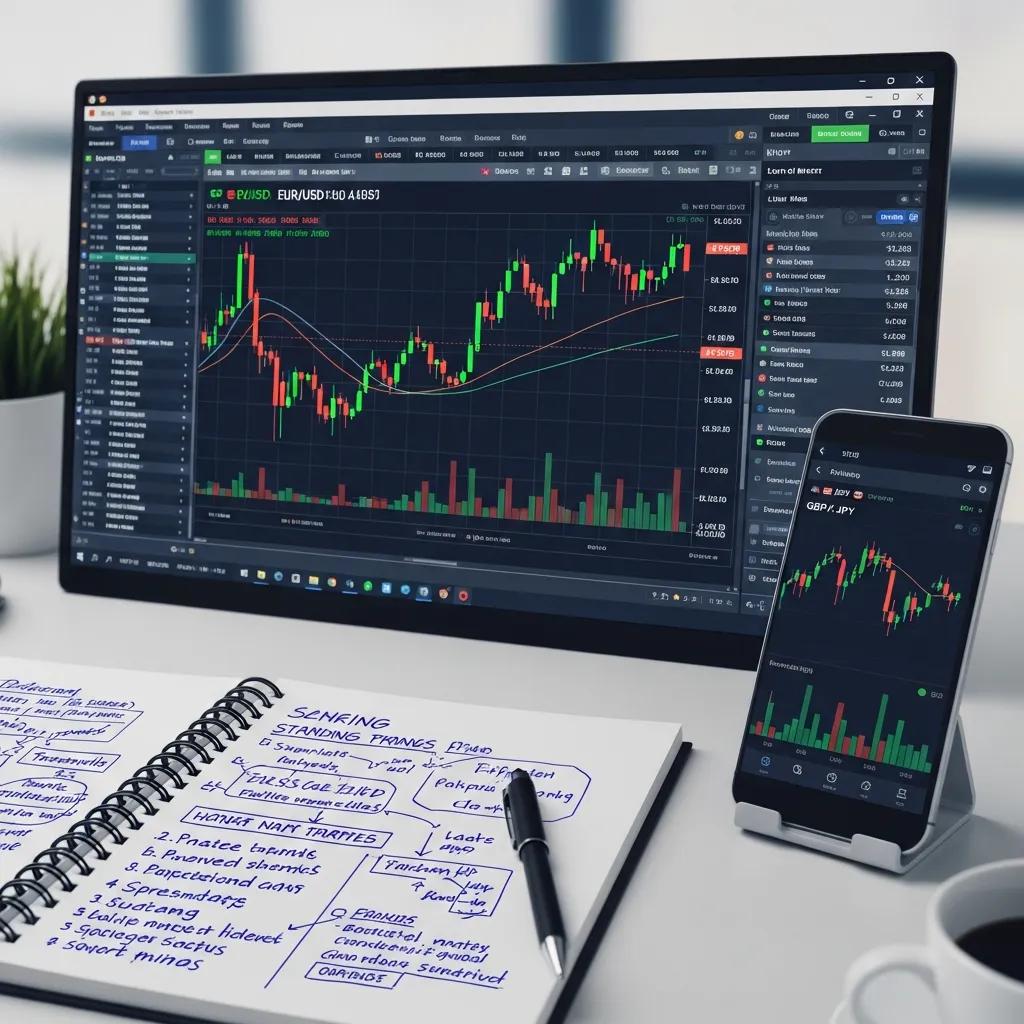
Understanding the basics of forex trading is essential for anyone looking to enter this market. Forex trading involves the exchange of one currency for another, with the goal of making a profit from fluctuations in exchange rates. The forex market is the largest financial market in the world, with a daily trading volume exceeding $6 trillion. This market operates through a network of banks, brokers, and financial institutions, making it accessible to individual traders.
As beginners navigate this vast market, understanding fundamental concepts and managing risk from the outset is paramount.
Beginner’s Guide to Forex Trading & Risk Management
This is a great advantage since Forex traders are able to keep their risk investment to the minimum. Since this is a beginners guide I will not elaborate on the various techniques that traders use to make money in Forex trading.
Forex for Beginners: How to Make Money in Forex Trading (Currency Trading Strategies), 2014
How Does the Forex Market Work?
The forex market operates on a decentralized basis, meaning that it does not have a central exchange like stock markets. Instead, trading occurs over-the-counter (OTC) through a network of banks and brokers. Major players in the forex market include central banks, financial institutions, corporations, and individual traders. The market is open 24 hours a day, five days a week, allowing traders to engage in trading at any time. Understanding the market structure and the role of major players is crucial for developing effective trading strategies.
What Are Currency Pairs and How Are They Traded?
Currency pairs are the foundation of forex trading, representing the value of one currency relative to another. Each currency pair consists of a base currency and a quote currency. For example, in the EUR/USD pair, the euro is the base currency, and the US dollar is the quote currency. Traders buy or sell currency pairs based on their expectations of how the exchange rate will change. Understanding how to read currency quotes and the factors that influence currency values is essential for successful trading.
How To Start Forex Trading: Step-by-Step Beginner’s Guide
Starting forex trading can seem daunting, but breaking it down into manageable steps can simplify the process. Here’s a step-by-step guide to help you get started.
What Do You Need to Begin Trading Forex?
To begin trading forex, you will need a few essential tools and resources. First, you need to choose a reliable trading platform that suits your needs. Look for platforms that offer user-friendly interfaces, educational resources, and robust customer support. Additionally, you will need to open a trading account with a broker, which may require a minimum deposit. Familiarizing yourself with the platform and understanding its features is crucial for a smooth trading experience.
How to Use Demo Accounts to Practice Trading Safely
Using a demo account is an excellent way for beginners to practice trading without risking real money. Most brokers offer demo accounts that simulate real trading conditions. This allows you to test your strategies, learn how to navigate the trading platform, and gain confidence before transitioning to live trading. Take advantage of this opportunity to practice different trading strategies and understand market dynamics.
Indeed, the importance of demo accounts for new traders cannot be overstated, as highlighted by various resources.
Forex Demo Accounts for Beginner Traders
platform of the Forex Broker Free demo account. The beginning or better said the first steps are still relatively easy as one of the most effective tools for forex traders is pivot points.
Forex Trading Secrets: Woman’s Guide to Passive Income and Financial Freedom, 2024
Which Forex Trading Strategies Are Best for Beginners?

Developing a trading strategy is vital for success in forex trading. Beginners should focus on strategies that are easy to understand and implement while allowing for effective risk management.
What Are Common Beginner Trading Strategies?
Common trading strategies for beginners include scalping, day trading, and swing trading. Scalping involves making quick trades to capture small price movements, while day trading focuses on opening and closing positions within the same day. Swing trading, on the other hand, involves holding positions for several days to take advantage of larger price movements. Each strategy has its own advantages and risks, so it’s essential to choose one that aligns with your trading style and risk tolerance.
How to Develop a Trading Plan and Manage Risk
Creating a trading plan is crucial for maintaining discipline and managing risk. A well-structured trading plan should outline your trading goals, risk tolerance, and specific strategies. Additionally, implementing risk management techniques, such as setting stop-loss orders and position sizing, can help protect your capital. Regularly reviewing and adjusting your trading plan based on performance and market conditions is also important for long-term success.
Beyond initial practice, a structured approach to learning and refining your trading plan is essential for long-term success.
Forex Self-Study Guide with Practice Assignments
Complete with practice assignments to reinforce covered material, this self-study guide helps traders adjust their trading plan for different account sizes and understand who benefits from market movements.
The forex trading course: a self-study guide to becoming a successful currency trader, 2015
How Can Forex Market Analysis Improve Your Trading Success?
Market analysis plays a significant role in forex trading, helping traders make informed decisions based on market trends and data.
What Is Fundamental Analysis in Forex Trading?
Fundamental analysis involves evaluating economic indicators, news events, and geopolitical factors that can impact currency values. Key economic indicators include interest rates, inflation rates, and employment data. By understanding how these factors influence the forex market, traders can make more informed predictions about currency movements. Staying updated on economic news and reports is essential for effective fundamental analysis.
How Does Technical Analysis Help Predict Market Movements?
Technical analysis focuses on analyzing historical price data and chart patterns to forecast future price movements. Traders use various tools, such as trend lines, support and resistance levels, and technical indicators, to identify potential entry and exit points. Understanding technical analysis can enhance your ability to make timely trading decisions based on market trends.
What Are the Top Forex Trading Platforms for Beginners?
Choosing the right trading platform is crucial for a successful trading experience. A user-friendly platform can significantly impact your trading efficiency and overall satisfaction.
How to Choose a User-Friendly Forex Trading Platform
When selecting a forex trading platform, consider factors such as ease of use, available features, and customer support. Look for platforms that offer educational resources, demo accounts, and a variety of trading tools. Additionally, ensure that the platform is compatible with your trading style and preferences. Reading reviews and comparing different platforms can help you make an informed decision.
What Are the Benefits of Using Demo and Live Trading Platforms?
Using both demo and live trading platforms offers distinct advantages. Demo accounts allow you to practice trading strategies without financial risk, while live accounts provide real-time trading experience. Transitioning from a demo to a live account can help you build confidence and apply the skills you’ve learned in a risk-free environment. Understanding the benefits of each platform can enhance your trading journey.